October 30, 2026
Efficient lawn watering remains essential for preserving vibrant turf, enhancing curb appeal, and conserving vital community water resources. An automated irrigation setup distributes moisture across residential grass, eliminating the tedious labor of manual hose watering while supporting balanced root development. However, hidden mechanical flaws and continuous component wear frequently compromise distribution patterns, turning an intended asset into an inefficient burden. Neglected hardware quickly drives up monthly utility bills, depletes municipal supplies, and leaves lawns susceptible to severe environmental stress. Timely sprinkler system repair restores consistent performance, ensuring that every gallon serves its intended purpose without wasteful runoff or pooling.
Many property owners view underground irrigation infrastructure as a permanent installation requiring little attention once buried beneath the sod. In reality, moving mechanical assemblies, shifting ground pressures, and seasonal climate swings demand vigilant oversight to prevent systemic failures. Routine evaluations help identify small component defects before they escalate into catastrophic turf disruptions. When homeowners commit to proactive sprinkler system repair, they safeguard both their turf health and household budgets. A properly maintained irrigation network balances uniform moisture delivery with conscientious conservation, sustaining a resilient landscape through every changing season.
Understand the Core Components of Irrigation Systems
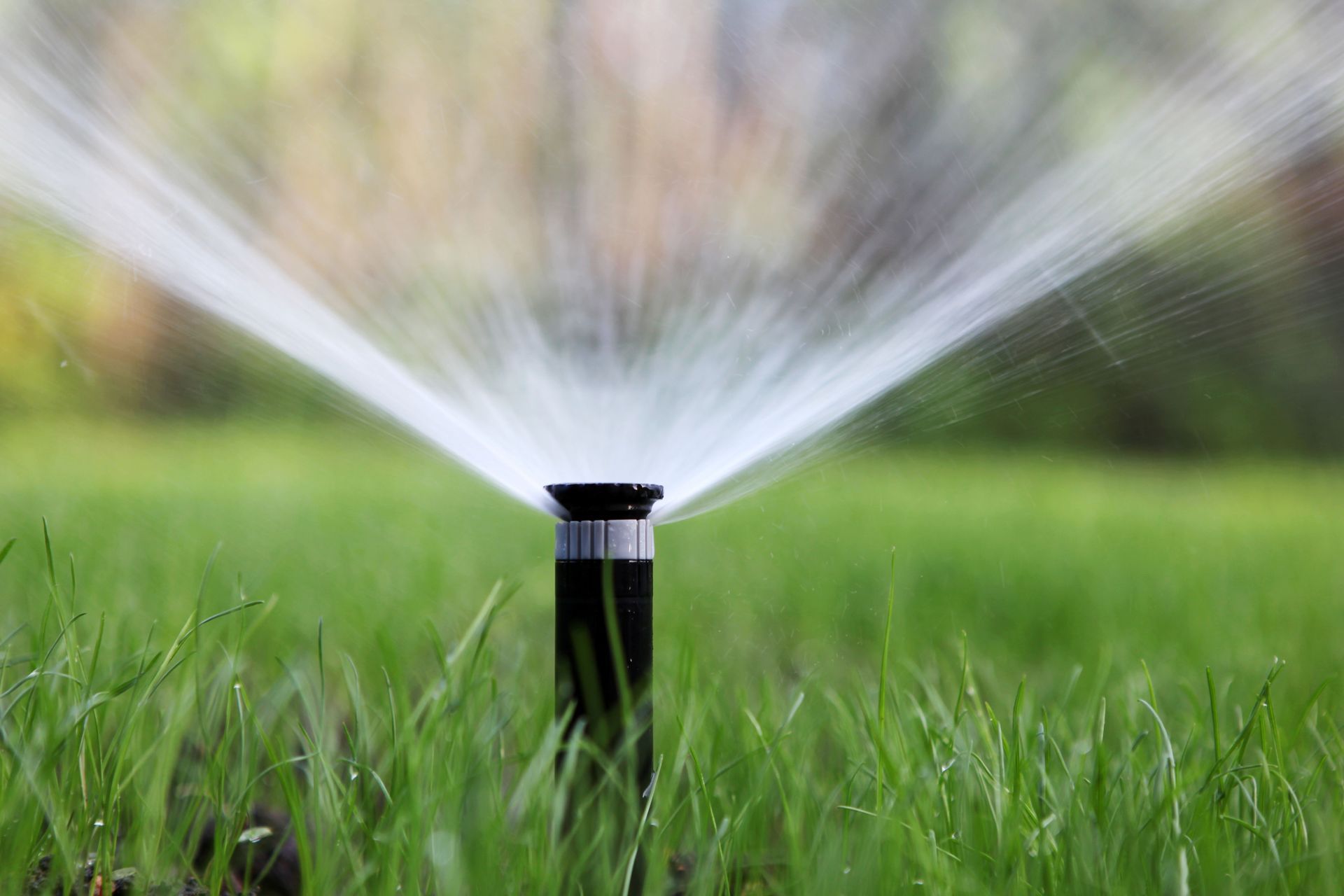
Every automated irrigation network relies on an interconnected assembly of specialized parts working in harmony to hydrate the turf. The master controller serves as the system brain, scheduling cycles and dictating runtimes across dedicated zones based on localized exposure. Subsurface pipes transport pressurized water directly to valves that open and close in response to low-voltage electrical signals sent by the controller. Sprinkler heads emerge from ground level to disperse water in calibrated patterns designed for specific grass varieties. In modern installations, smart soil sensors and weather monitors adjust scheduled cycles automatically to reflect recent precipitation, preventing saturation during damp weather.
When any single element within this complex network fails, overall watering performance immediately deteriorates. A sticky valve can flood a planting bed while starving an adjacent stretch of grass of needed hydration. Clogged spray nozzles disrupt spray arcs, creating erratic distribution that leaves unsightly brown patches alongside swampy turf. Because every zone depends on stable hydraulic pressure, an unresolved mechanical defect in an isolated line compromises neighboring heads. Understanding how these parts interact allows homeowners to recognize subtle operational issues early, making sprinkler system repair straightforward and preventing extensive landscape damage.
Recognize the Warning Signs of Equipment Breakdown
Catching irrigation issues before extensive turf loss occurs requires consistent observation across the entire property. Visible puddling, localized spongy spots, or persistent dry zones suggest that moisture distribution has lost uniformity. Unexplained spikes in monthly utility statements often provide the earliest financial warning of subterranean line fractures or leaking zone valves. Sputtering sounds, vibrating pipes, or erratic spray arcs during an active cycle signal compromised water pressure or internal pipe blockages. In many neighborhoods, steady runoff spilling across paved driveways indicates misaligned spray nozzles or excessive application rates.
Ignoring these operational warnings leads to compounding problems that degrade turf health and inflate household expenses. Turfgrass subjected to inadequate hydration weakens rapidly, invites aggressive weed infestations, and suffers premature root dieback, while chronically saturated soil promotes fungal pathogens. Prompt mechanical intervention prevents minor hardware wear from expanding into comprehensive distribution failure. By scheduling targeted sprinkler system repair at the earliest manifestation of trouble, property owners protect their landscape investment and keep seasonal water consumption within reasonable boundaries.
Prevent Environmental Damage and Runoff Waste
Inefficient irrigation infrastructure wastes tremendous volumes of treated water, creating severe ecological strains for surrounding communities. Broken distribution lines and loose fittings continuously bleed water deep into the subsoil without nourishing surface turf roots. Overspray that lands on impermeable surfaces like driveways and sidewalks generates heavy runoff, which sweeps turf chemicals, fertilizers, and sediment directly into municipal storm drains. This contaminated runoff degrades regional water quality, harms fragile aquatic ecosystems, and strips fertile topsoil from residential lots through accelerated surface erosion.
Excessive consumption also places an avoidable strain on municipal water utilities, particularly during peak summer drought when reservoirs experience severe operational stress. Municipal authorities increasingly enforce strict watering ordinances and levy penalty fees to curtail irresponsible resource depletion. Correcting mechanical inefficiencies aligns private residential property care with public conservation objectives. Through focused sprinkler system repair, homeowners reduce their ecological footprint, conserve shared community water reserves, and prevent lawn chemicals from entering local streams.
Diagnose Water Distribution Problems Across the Turf
Accurate troubleshooting begins with an attentive visual walkthrough across every zone while the system actively operates. Walking the lawn allows property owners to check nozzle clearance, observe spray overlap, and identify cracked risers or obstructed spray orifices. Measuring operating pressure across distant zones reveals whether internal pipe friction, line breaks, or elevation changes are dampening spray coverage. Modern diagnostic tools, including digital pressure gauges and underground acoustic sensors, pinpoint hidden subsurface leaks without requiring destructive excavation across manicured turf.
Evaluating system calibration serves as another critical step in reestablishing balanced distribution across the property. Seasonal weather shifts dictate varying hydration demands throughout the growing period, meaning static controller schedules quickly result in overwatering or severe dehydration. Property dimensions also influence irrigation management and overall installation investments. According to HomeGuide, unit expenses for sprinkler installation tend to drop on larger properties, as contractors routinely adjust their pricing tiers when servicing grounds that surpass 5,000 square feet. Recognizing these property size variables helps owners evaluate diagnostic results and pursue effective sprinkler system repair tailored to their specific yard layout.
Restore Peak Performance Through Targeted Fixes
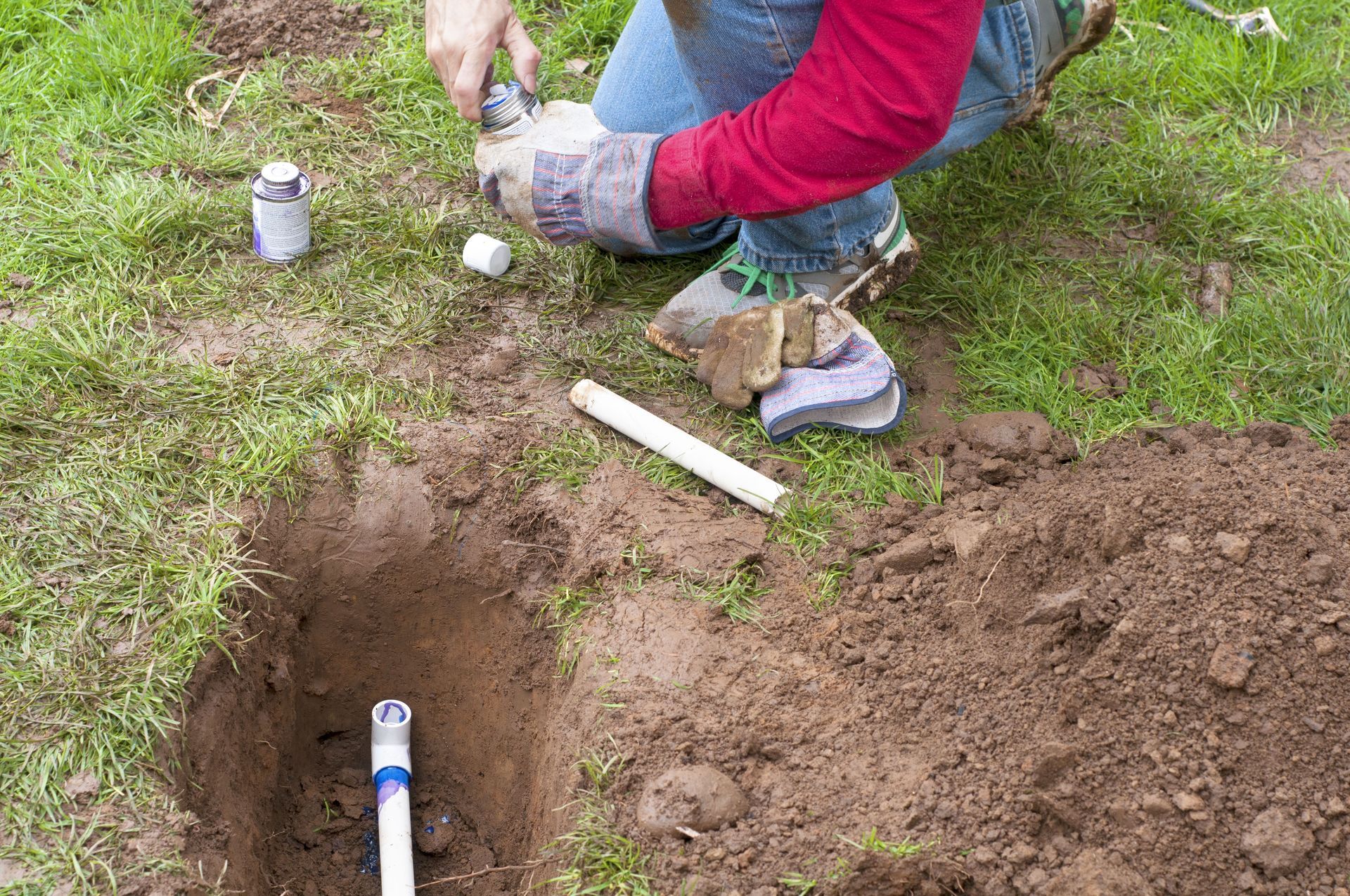
Resolving recurring distribution problems requires systematic physical repairs to compromised components throughout the yard. Fractured lateral pipes, worn rubber seals, and chipped spray heads must be replaced with durable commercial components engineered for long service life. Irrigation technicians eliminate line obstructions by flushing lines with high-pressure air or water streams, clearing out dislodged dirt, mineral scale, and root intrusions that restrict flow. Straightening tilted sprinkler bodies guarantees that spray streams cast moisture uniformly across the turf instead of misting uselessly against fences or walls.
Remediating subterranean line leaks involves clamping fractured joints with specialized compression couplings or splicing in fresh pipe sections to restore uniform line pressure. Adjusting controller cycle runtimes to match soil absorption rates prevents surface pooling, allowing water to penetrate deeply into the root zone. Every physical correction works to stabilize operating pressure and balance output across all irrigation zones. Completing comprehensive sprinkler system repair transforms an erratic, water-wasting setup into a dependable asset that nourishes the lawn with maximum precision.
Sustaining exceptional irrigation efficiency over many seasons requires specialized technical expertise and diligent maintenance practices. While property owners can easily perform basic visual sweeps, complex hydraulic irregularities, manifold rebuilds, and electrical wiring faults demand professional equipment and training. Experienced specialists assess dynamic operating pressure, inspect hidden subsurface lines, and calibrate smart controllers to suit distinct soil structures and microclimates. Investing in periodic professional evaluations ensures that all hardware functions smoothly despite shifting ground conditions and harsh winter freezes.
Preserving an attractive, sustainable landscape calls for skilled partners who understand turf physiology, soil composition, and advanced water conservation technologies. Routine seasonal adjustments, timely component replacements, and precision calibration keep your grass thriving without squandering valuable water. To restore dependable watering efficiency across your entire lawn, schedule an assessment with our team by contacting us at Premium Lawn Care & Maintenance, Inc.