March 12, 2026
Enhancing your home's curb appeal can increase its value, make it more welcoming, and create a harmonious blend with the surrounding environment. This article explores several transformative landscaping ideas to improve the aesthetic charm of your property. Landscaping not only beautifies your outdoor space but also enhances the community's ambiance. By paying attention to well-planned landscaping, homeowners can enjoy personal satisfaction and contribute positively to their neighborhood. Here, we delve into various strategies and elements that can elevate your home's curb appeal to new heights.
1. Revitalizing Your Lawn
A well-manifested commitment to creating a neat and uniform appearance starts with regular mowing and clean edging. Consistent mowing not only maintains appropriate grass height but also encourages even growth. Neat edges serve as a frame, highlighting the beauty of your lawn against paths and garden beds. Attention to these details regularly molds a polished and tidy landscape. By creating this foundation, your exterior space becomes an inviting and picturesque extension of your home.
Aeration is critical for alleviating soil compaction, allowing air, water, and nutrients to reach the roots more effectively. Performing this practice at least once a year creates the right conditions for soil health and lush grass growth. Following aeration, fertilizing plays a significant role in invigorating your lawn. It provides essential nutrients that promote vigorous root development and disease resistance. Together, aeration and fertilization establish a resilient lawn that upholds its vibrant appearance.
Implementing effective weed control measures is integral to landscaping and maintaining a pristine lawn. Organic or chemical weed control solutions can be chosen based on your gardening philosophy. Pre-emergent herbicides work proactively by preventing weed seeds from germinating, whereas post-emergent treatments target existing weeds. Regular hand weeding or spot spraying aids in controlling isolated incidences. These strategies ensure that desirable plants thrive with minimal competition for resources.
2. Creating a Floral Masterpiece
Utilizing native plants in your landscape ensures a sustainable and thriving garden environment. These species are inherently adapted to local conditions, requiring less maintenance. Native plants support local wildlife, including pollinators and beneficial insects, enhancing biodiversity. Their resilience to pests and diseases diminishes the need for chemicals, preserving the ecological balance. Opting for native plants contributes to a flourishing and harmonious landscape with less effort.
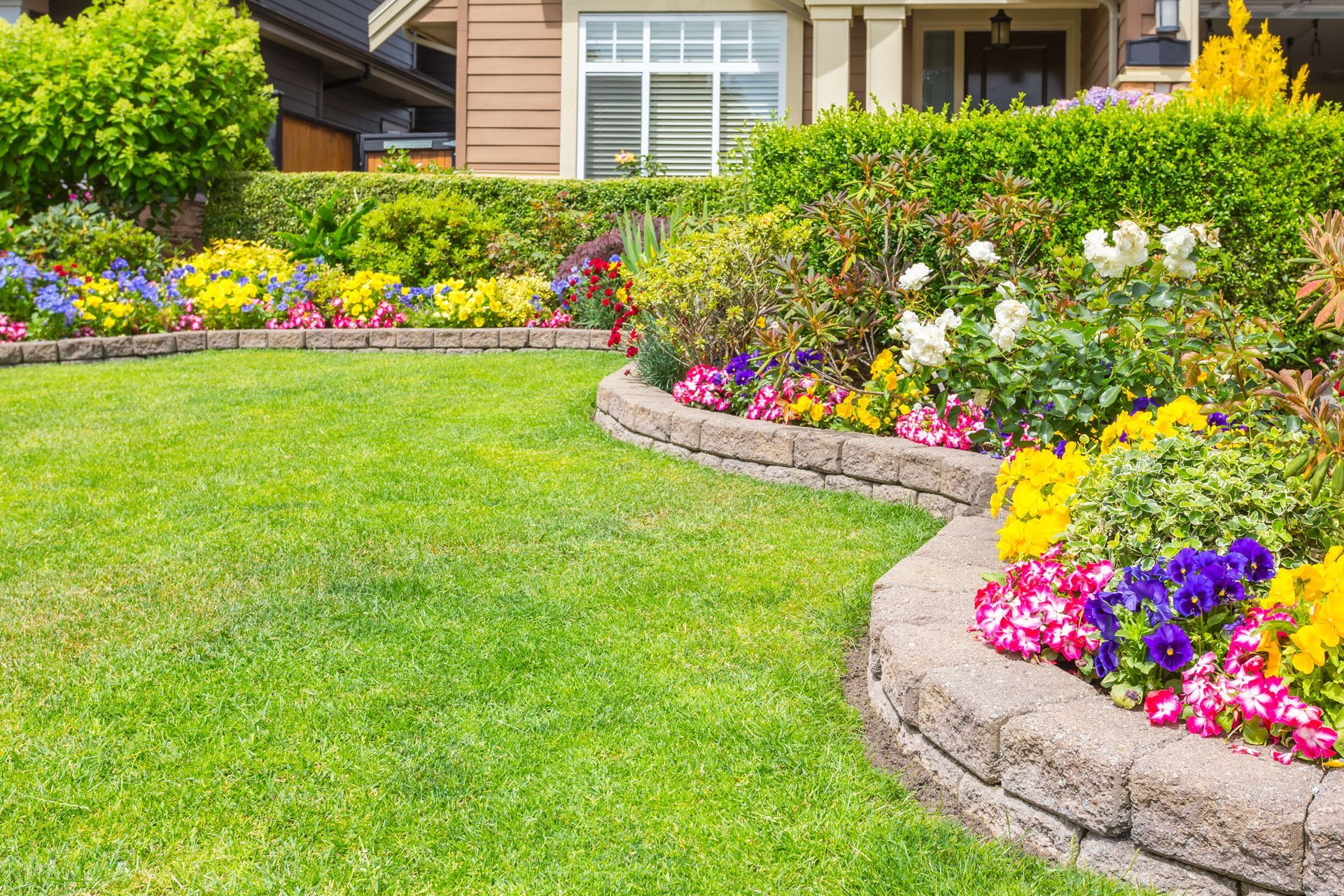
Incorporating seasonal color schemes allows for a dynamic and ever-changing floral display. Select blooms that thrive during specific seasons to achieve constant visual impact. By planning for blossoms in spring, summer, fall, and even winter, your landscape remains inviting throughout the year. Seasonal flowering shrubs, perennials, and annuals offer variety and depth to garden beds. This thoughtful arrangement creates an engaging experience for viewers, revealing nature's beauty in every cycle.
Vertical gardens provide innovative solutions for maximizing space in compact areas. Utilizing walls, trellises, or towers opens up new planting opportunities and adds dimension to your landscapes. These installations favor succulents, climbers, and flowering vines, creating a lush tapestry across vertical surfaces. Space-saving designs accommodate productive gardens in urban environments where horizontal space is limited. Vertical gardens enhance curb appeal with their unique, eye-catching presence.
3. Placing Trees and Shrubs Strategically
Ornamental trees enhance landscape aesthetics with seasonal flowers, captivating foliage, and unique forms. These trees add focal points, drawing attention to specific areas within your property. Consider trees like dogwood or Japanese maples which display year-round interest through flowers or striking leaf colors. Their smaller stature ensures adaptability to various site conditions and landscape styles. Ornamentals introduce elegance, encapsulating nature's artistry in your outdoor canvas.
Hedges serve as natural barriers, delineating property lines and creating secluded spaces. They provide windbreaks, sound absorption, and privacy screening, enhancing outdoor comfort. Evergreen or mixed-species hedges implement appealing year-round coverage with additional seasonal interest. Pruning retains desired shapes, while density deters intruders and protects wildlife havens. Hedges cultivate serene retreats, merging functionality with the intrinsic allure of living fences.
Both evergreen and deciduous trees hold unique roles within landscape compositions. Evergreens offer reliable, year-round foliage, contributing stability and backbone to garden designs. Conversely, deciduous trees create dynamic vistas, with seasonal leaf transitions unveiling distinct vistas and experiences. Strategic incorporation of both types accentuates seasonal changes while sustaining landscape continuity. Balancing evergreen and deciduous selections capitalizes on their complementary attributes, presenting a refined and evolving garden.
4. Adding Hardscapes for Dimension
Pathways and walkways carve essential movement corridors, transitioning between garden spaces seamlessly. Employ materials such as stone, gravel, or wood to integrate pathways into existing landscaping designs without disrupting harmony. Designs ranging from meandering paths to direct walkways accommodate different purposes, suiting aesthetic preferences and practical requirements. Incorporating curves or patterns in path layouts enhances interest and invites exploration. Visitors appreciate these inviting avenues, gaining deeper functional and sensory experiences within your garden haven.
Sloped sites benefit from retaining walls and terraces, achieving level planting zones and expanding usable space. These structures stabilize soil, thwart erosion, and stimulate imaginative garden scenarios. Natural stone, concrete, or gabions harmonize visually, blending durability with artisanal craftsmanship. Terraces transform challenging topography into elegant, tiered gardens with varying heights and plantings. Retaining solutions capture breathtaking elevation changes, contributing drama and structural beauty.
Water features introduce tranquility and movement, drawing life to your landscape while offering auditory pleasure. Options include ponds, cascading fountains, or bird baths, each creating focal points and attracting beneficial wildlife. Integrating features seamlessly with surroundings amplifies their allure, merging both elements and aesthetics. Reflective qualities of water infuse landscapes with dynamic visual symphonies, mirroring light and textures. Water feature placements transform outdoor spaces into serene retreats, celebrating nature through soothing melodies.
5. Implementing Eco-Friendly Practices
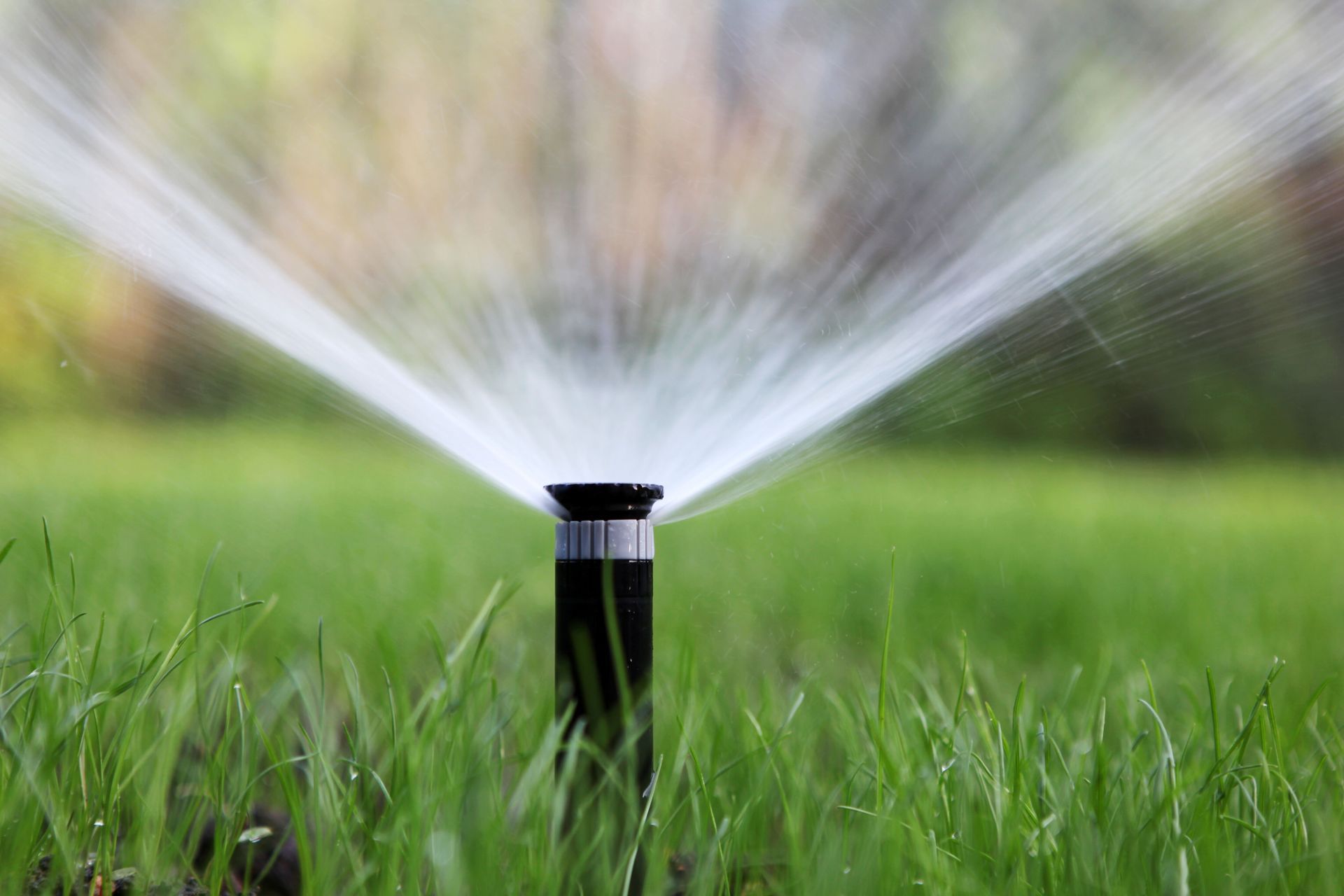
Xeriscaping emphasizes water conservation, employing drought-resistant plants and efficient irrigation strategies. This sustainable approach resonates with dry climates, minimizing maintenance while showcasing vibrant natives. Mulching and soil amendment improve water retention, supporting diverse plant communities without relying heavily on supplementary watering. Designing zones based on plant water requirements focuses resources, preserving precious natural supplies. Xeriscaping embodies harmony with nature, crafting resilient, eco-sensitive oasis consistently year after year.
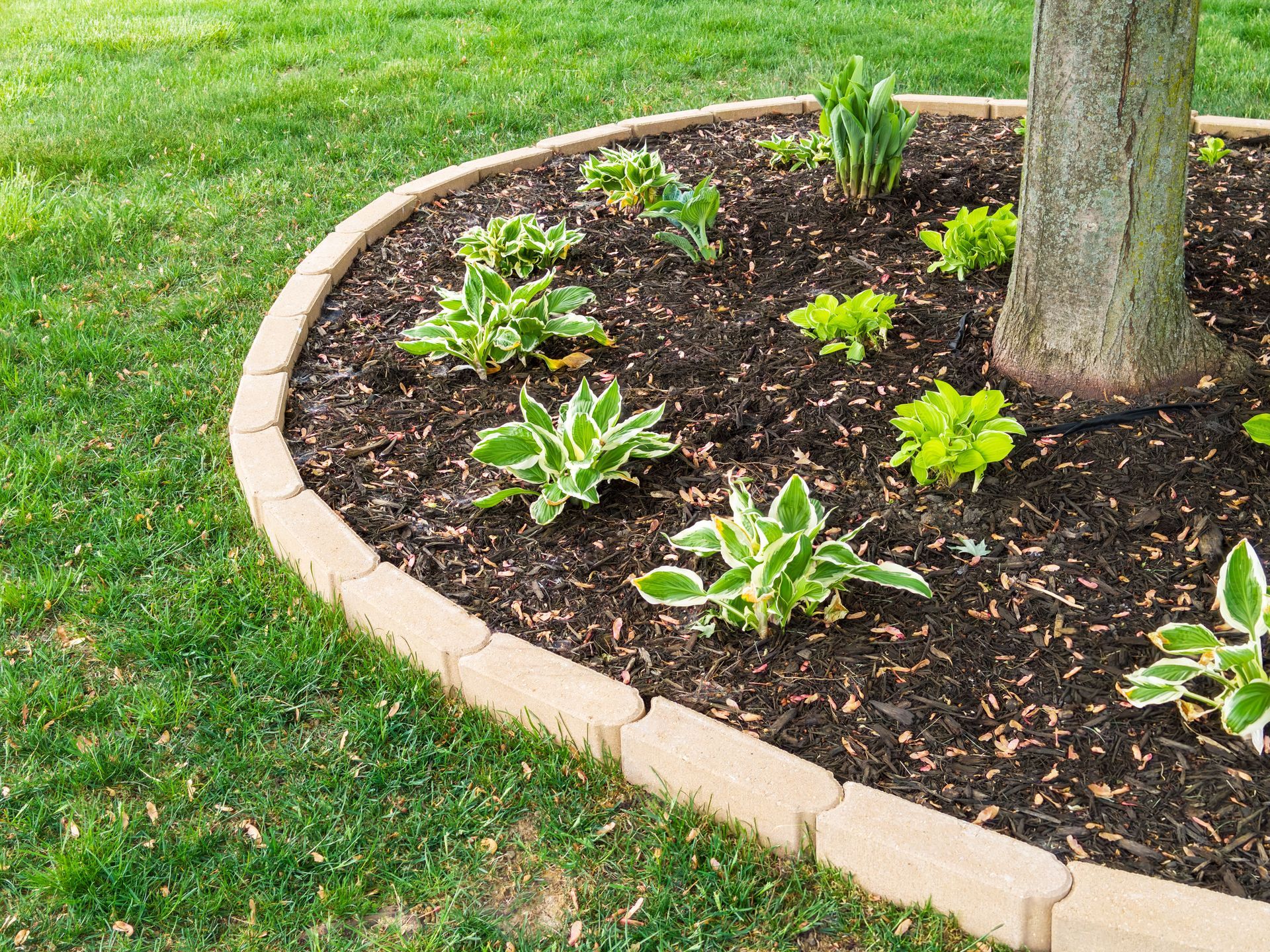
Composting and mulching practices boost soil health and plant vitality, circulating nutrients within garden ecosystems. Compost, derived from organic waste, enhances soil structure, fertility, and microbial activity. Applying mulch suppresses weeds, moderates soil temperature, and retains moisture, promoting stable environments for healthy plant growth. Layering rich, decomposed materials nourishes landscapes holistically, reducing dependency on synthetic fertilizers. Such strategies reduce waste contributions, embracing regenerative cycles, mindful gardening, and ecological stewardship.
Rain gardens manage stormwater runoff, capturing rainfall to prevent erosion and benefit lagoon health. Reflecting natural water filtration processes, rain gardens mitigate flooding, cultivation infrastructure, and pollution dissemination. Aesthetically pleasing and thoughtfully integrated plantings attract beneficial pollinators, restoring biodiversity flavors in urban areas. Transforming expansive surfaces into rain gardens engages communities in sustainable, eco-friendly rainfall management. These pockets embody resilience, helping to create a stable and well-balanced landscape scenery.
By implementing these diverse landscaping ideas, you can significantly uplift the curb appeal of your home. Thoughtfully selected plants, carefully placed hardscapes, and ecologically-friendly practices not only enhance visual appeal but also contribute to a sustainable and welcoming environment. According to LawnStarter, homes with landscaping typically enjoy a 5% to 12% value advantage over comparable homes without landscaping. This highlights the potential financial benefits in tandem with the aesthetic and environmental gains. For more information about using
landscaping to improve the allure of your space, contact Premium Lawn Care & Maintenance, Inc. and we can help you out with more fantastic ideas and personalized services.