March 19, 2026
In this article, we will explore various reasons why investing in routine lawn care can be a valuable decision for homeowners. From enhancing property value to promoting environmental benefits, maintaining a healthy lawn is more than just an aesthetic choice. According to the New York Botanical Garden, approximately $40 billion is spent maintaining natural grass lawns in the United States each year, emphasizing the acknowledged importance of professional lawn care. Regular lawn care involves a wide range of services and practices that together foster a vibrant, resilient lawn. As we delve into specific reasons that underscore the importance of lawn care, you'll discover how it intertwines with both personal well-being and environmental sustainability.
1. Enhances Curb Appeal
a. First Impressions Matter
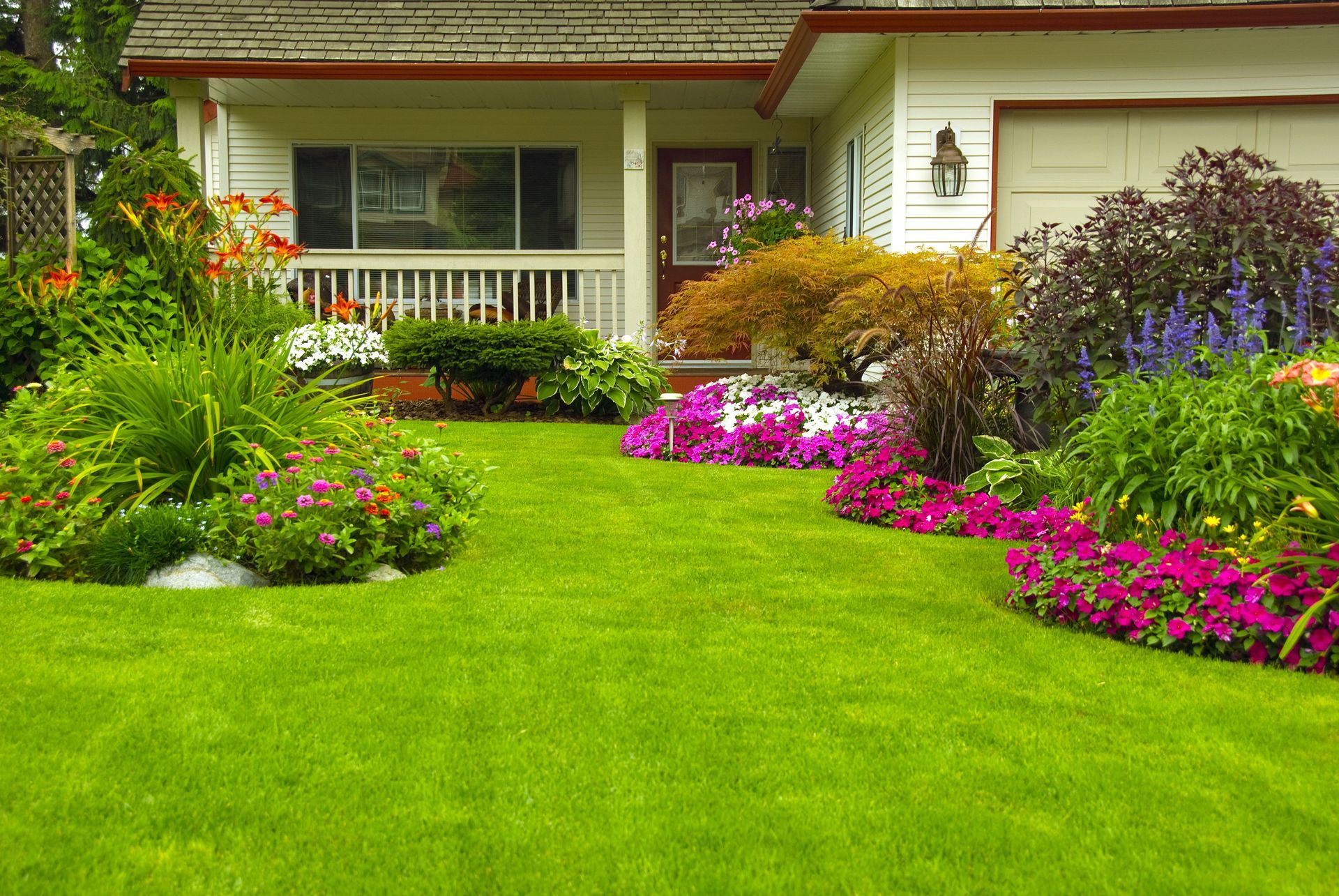
An attractive lawn creates a welcoming atmosphere and sets the tone for the rest of the property. It's the first thing guests and potential buyers notice, playing a crucial role in forming initial impressions. A well-cared-for lawn is a statement of pride and attention to detail. By investing in regular mowing, watering, and fertilizing, homeowners ensure their lawn always looks its best. This positive first impression can have lasting effects, impacting everything from neighborhood reputation to real estate interest.
b. Improves Property Value
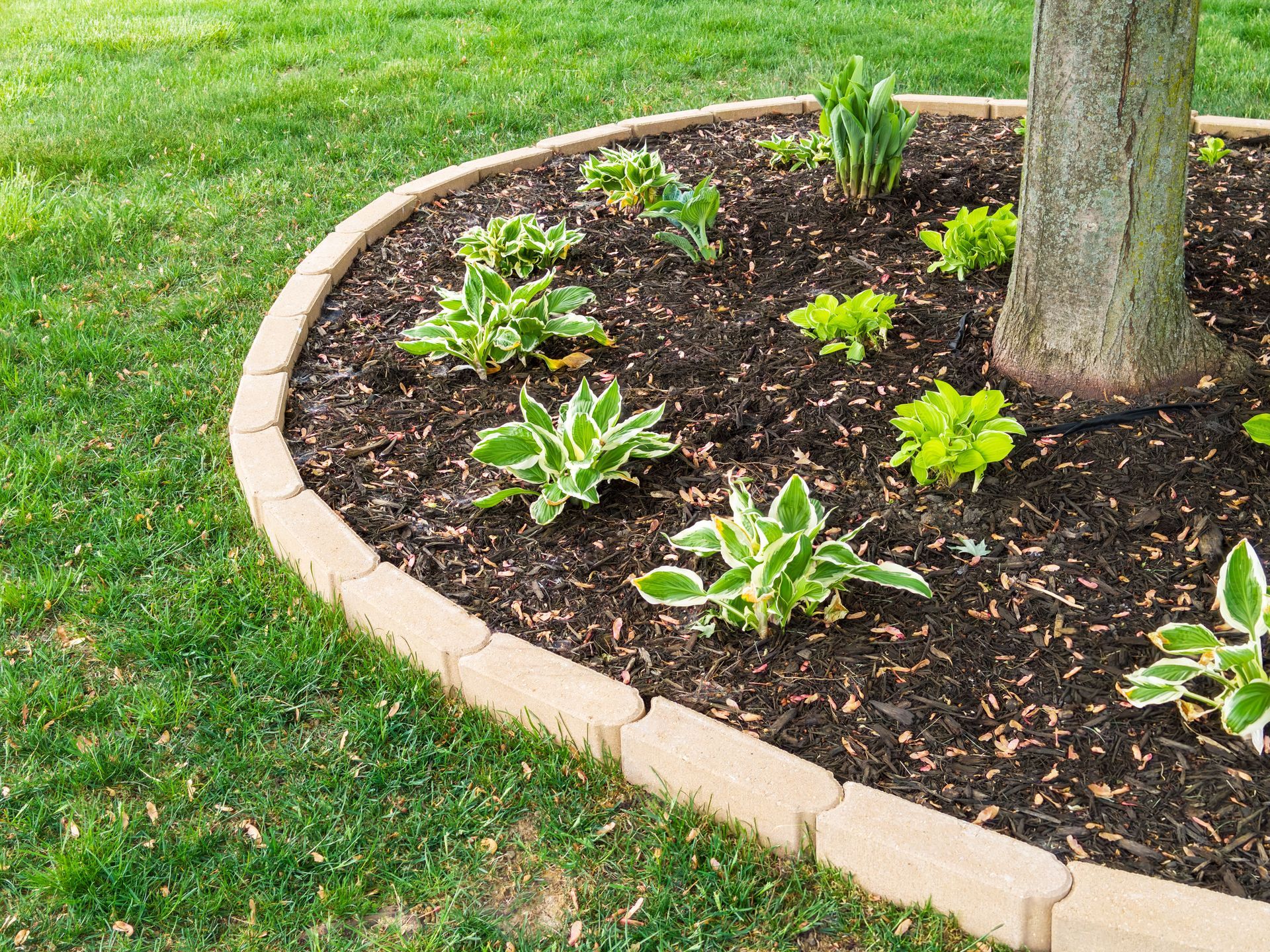
A well-maintained lawn can significantly increase the resale value of your home by making it more appealing to potential buyers. This makes regular lawn care not merely an expense, but a strategic investment. Simple tasks like trimming the edges and maintaining flowerbeds can create an enticing look that makes a memorable impact. Investing in your lawn can yield substantial financial returns when it comes time to sell your property.
c. Complements Architectural Design
The right lawn care routine enhances the overall aesthetic of your home, complementing its architectural style. Different styles, whether modern, colonial, or country, can be highlighted through specific lawn designs and plant choices. The strategic use of textures, colors, and shapes in plantings can enhance the visual harmony between the home and its surroundings. By investing in landscape design and regular maintenance, the landscape can subtly echo architectural features, tying together the entire look of the property. Personal taste can be expressed through specific lawn care choices, adding personal flair to architectural integrity.
d. Seasonal Color and Texture
Routine care allows for strategic planting and maintenance, resulting in dynamic seasonal changes that keep your lawn visually engaging. With the change of seasons, new blooms or foliage colors can keep your landscape ever-changing and fresh. Lawns can provide a visual narrative of the seasons, with spring blooms giving way to lush summer greens and vibrant fall colors. By planning for this visual diversity, homeowners can enjoy a varied and seasonally engaging lawn all year round. This variety not only enhances curb appeal but also provides an ever-changing palette to enjoy every season.
2. Promotes Environmental Health
a. Supports Biodiversity
A well-maintained lawn encourages a diverse ecosystem, providing habitat for various species of flora and fauna. Lawns that support a variety of plant life can attract beneficial insects, birds, and small wildlife. This biodiversity contributes to a balanced ecosystem, promoting natural pest control and pollination. By choosing native plants and avoiding chemical overuse, homeowners can create gardens that support healthy ecosystems. Overall, lawns aren't just an aesthetic choice; they play an essential role in maintaining local biodiversity and ecological health.
b. Improves Soil Quality
Routine care practices such as aeration and composting can enhance soil health and fertility, leading to healthier plant growth. Aeration allows air, water, and nutrients to penetrate the grass roots, encouraging deeper root growth. Composting organic matter back into the soil introduces valuable nutrients, enriching the soil microbiome. Healthy soil is crucial for sustaining vigorous plant growth, and routine lawn care provides this foundational element. Better soil health results in lusher, more resilient lawns capable of withstanding seasonal challenges.
c. Reduces Soil Erosion
A thick, healthy lawn acts as a natural barrier against erosion, helping to stabilize soil and prevent runoff. Grass roots anchor soil, particularly on slopes and hills, producing vital ground cover that prevents erosion. Routine care fortifies this natural defense against environmental factors like heavy rain and wind. A lawn deficient in maintenance can suffer from soil degradation, leading to costly landscape repairs. Maintaining a thick turf benefits both homeowners and local communities by preserving soil integrity.
d. Enhances Carbon Sequestration
Well-maintained lawns can capture and store carbon, reducing greenhouse gases and contributing to climate change mitigation. As grass grows, it absorbs carbon dioxide from the air, turning it into biomass through photosynthesis. Lawn care techniques such as mulching and mowing at the correct height further promote soil carbon storage. This ecological benefit illustrates how everyday practices in lawn care can effect positive environmental change. The transition to investing in these initiatives is slow yet contributes significantly to larger climate objectives.
3. Minimizes Pest and Weed Problems
a. Dense Turf Deterrent
A dense, healthy turf is a natural deterrent to pests and invasive weed species. Thick grass competes efficiently for resources, making it harder for weeds to establish themselves. Environmental conditions that favor healthy lawns typically inhibit pest infestations. A lack of pests not only contributes to the visual appeal of the lawn but also reduces the risk of spreading bugs indoors. Routine care strengthens this natural defensive mechanism, preemptively halting pest issues.
b. Regular Monitoring and Intervention
Routine checks and timely interventions can stop pest issues before they become serious problems. Regular monitoring of lawns aids early detection of pests or signs of diseases that can be swiftly managed. Proactive treatment avoids the escalation of manageable issues into larger, more costly problems. Timely interventions, whether through natural treatments or reduced chemical use, contribute to a healthier landscape. Prevention, in this case, proves less expensive and more manageable than later attempts to restore a damaged lawn.
c. Increases Lawn Resilience
Lawn care strengthens grass resilience, making it better able to withstand pest and weed pressures. Practices like aeration and appropriate mowing build stronger, more resilient lawns. Resilient lawns recover quickly from damage, naturally outcompeting pests and weeds. Healthy lawns resist incursion, effectively reducing reliance on chemical treatments. Regular and consistent care, rather than sporadic, enhances this resilience, making the grass a sturdy, self-sustaining ecosystem.
4. Saves Time and Money in the Long Run
a. Prevents Major Repairs
Regular lawn care prevents the need for costly major repairs and renovations. A controlled, consistent approach to lawn maintenance combats systemic issues before they become financial burdens. Issues such as extensive weed infestations or soil degradation can necessitate expensive professional intervention if neglected. Regular investment through tasks such as reseeding and fertilizing precludes deterioration. The cumulative savings in avoided repairs far outweigh routine maintenance costs.
b. Prolongs Equipment Lifespan
Frequently used lawn care tools and machines last longer when the lawn is well maintained. Yard tools like mowers and trimmers operate under less strain with routine mowing and upkeep tasks. Well-managed lawns mean fewer stressful conditions on machines, reducing wear and tear. Proper tool use in conjunction with routine lawn care can extend utilization of equipment, saving replacement costs over time.
c. Avoids Emergency Services
Proactive maintenance reduces the necessity for emergency professional lawn services. By adhering to routine care schedules, issues requiring immediate and costly attention diminish. Emergencies tend to arise from neglect rather than the natural course of lawn care. Treating common challenges before they escalate minimizes homeowner stress and financial strain. Consistent lawn care fosters predictable and manageable upkeep, eradicating emergency service calls.
While lawn care may represent an ongoing commitment, the benefits it provides—ranging from enhanced curb appeal and environmental improvements to personal and community well-being—are worth the investment. Routine maintenance not only keeps your property looking beautiful but also ensures a healthier environment and community. From fostering biodiversity to reducing stress, the impact of proper lawn care is profound and far-reaching. If you're looking for reliable lawn care services, contact Premium Lawn Care & Maintenance, Inc today.