April 29, 2026
Achieving a lush, emerald carpet of grass is often the primary goal for homeowners seeking to enhance the curb appeal of their residence. A vibrant turf does more than provide a soft surface for recreation; it serves as a natural cooling system for the property and acts as a filter for rainwater. However, many find themselves trapped in a cycle of constant labor, fighting back stubborn weeds and yellowing patches with little success. The secret to breaking this cycle lies in understanding the foundational principles of soil health rather than simply reacting to problems as they arise. By adopting a proactive strategy, you can cultivate a resilient ecosystem where the grass naturally outcompetes undesirable growth, reducing the total effort required over the long term.
A comprehensive approach to turf management begins with the realization that grass is a living organism with specific nutritional requirements. Without the proper balance of minerals and elements, the plants become stressed and thin, leaving open spaces for invasive species to take root. This is where the practice of lawn fertilization becomes an essential component of property management. When executed correctly, providing nutrients does more than just make the grass grow faster; it strengthens the root systems and thickens the blade density. This biological barrier becomes the first line of defense against the encroachment of broadleaf weeds and crabgrass, creating a self-sustaining environment that thrives with minimal intervention.
Evaluating Soil Nutrient Levels
Testing the earth beneath your grass is the first step toward a successful maintenance plan. Without knowing the current chemical composition of your yard, applying products is merely guesswork that can lead to waste or environmental harm. A professional analysis reveals the acidity levels and identifies which specific elements are lacking, such as phosphorus or potassium. By understanding the unique needs of your specific patch of earth, you can tailor your lawn fertilization efforts to provide exactly what is missing. This precision prevents the over-application of chemicals that the grass cannot absorb, which saves money and protects local water sources from runoff.
Selecting Proper Fertilizer Blends
Choosing the right product requires more than just picking a bag with the most colorful packaging at the local hardware store. Most commercial products utilize a mix of nitrogen, phosphorus, and potassium, but the ratios vary significantly based on the intended use. Some blends are designed for quick green-up in the spring, while others focus on root development for the winter months. A high-quality lawn fertilization strategy often incorporates slow-release granules, which provide a steady stream of nutrition over several weeks rather than a sudden surge that can burn the delicate blades. Understanding these differences allows a homeowner to choose a formula that aligns with the specific growth cycle of their turf type.
Timing Applications for Maximum Growth
Planning the schedule of your nutrient delivery is just as important as the product itself. Grass varieties have distinct peak growing seasons, and feeding them during dormancy can be counterproductive. For those managing cool-season grasses, the focus remains on the autumn and spring months when the temperatures are mild. Conversely, warm-season varieties require more attention during the height of summer heat. According to UC IPM, in general, lawns should be fertilized about 4 times a year with 1 lb. of nitrogen at each application. Adhering to such a consistent schedule ensures that the plants never face a period of starvation, which keeps their natural defenses high throughout the entire year.
Managing Irrigation and Feeding Cycles
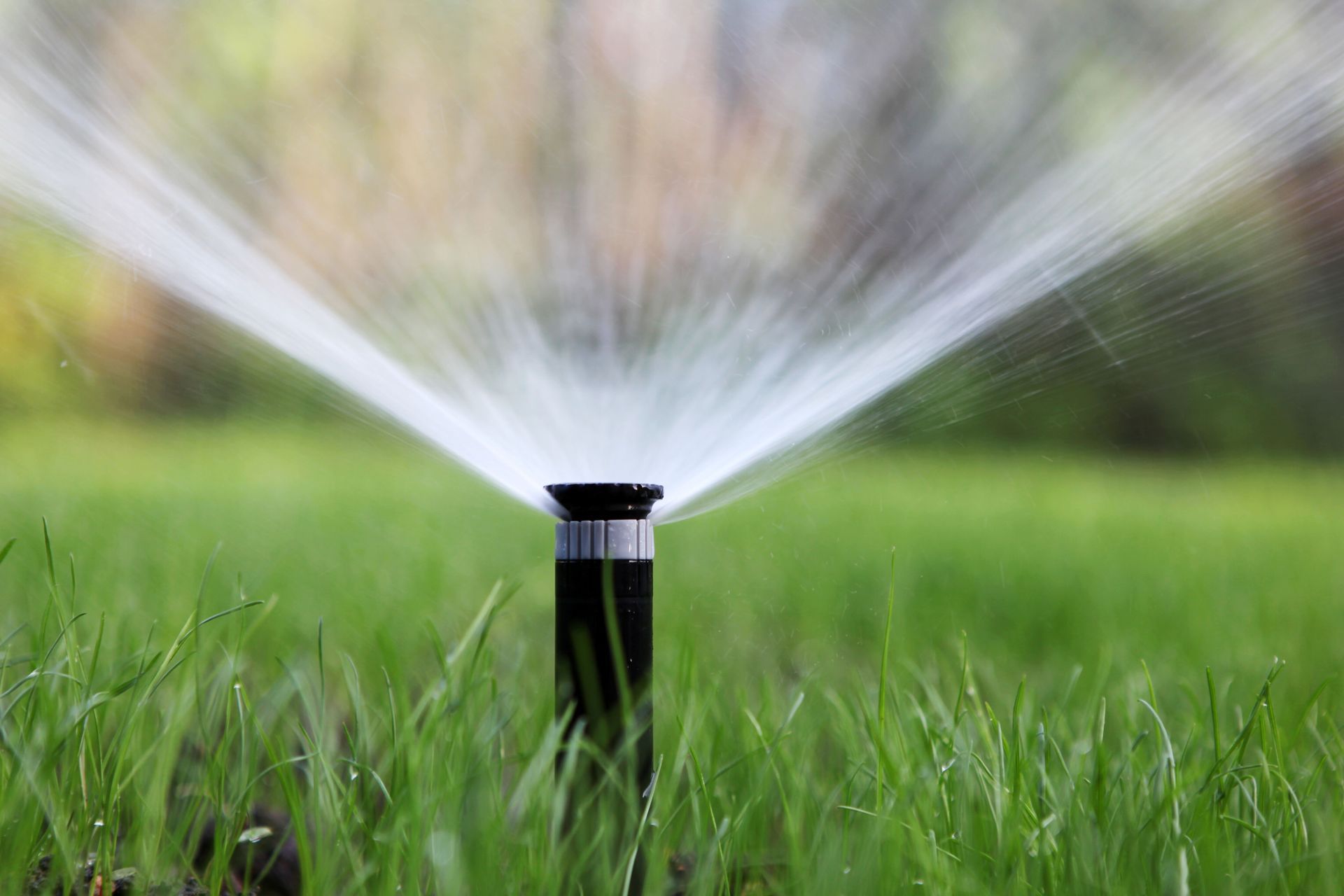
Coordinating your watering routine with your feeding schedule is a subtle yet powerful way to boost the effectiveness of your efforts. Water acts as the vehicle that carries nutrients from the surface down into the root zone where they can be utilized. Applying lawn fertilization products to a bone-dry yard can lead to chemical burns, while applying them immediately before a heavy rainstorm may result in the product washing away before it can sink in. The ideal method involves a light watering after application to settle the granules into the soil. This synergy between hydration and nutrition ensures that the grass remains hydrated enough to process the sudden influx of energy without suffering from heat stress.
Preventing Weeds Through Dense Growth
Creating a thick canopy of grass is the most effective way to eliminate the need for harsh herbicides. When a yard is healthy and well-fed, the blades grow so densely that sunlight cannot reach the soil surface where weed seeds are waiting to germinate. This natural shading out of competitors is the ultimate goal of a consistent lawn fertilization program. Instead of spending weekends pulling dandelions or spraying chemicals, the homeowner relies on the vigor of the turf itself to maintain order. A dense lawn also retains moisture better than a thin one, meaning the grass remains green and resilient even during brief periods of drought or high foot traffic.
Enhancing Root Depth and Strength
Building a strong foundation underground is the true secret to a low-maintenance yard. While the visual appeal of green blades is what neighbors notice, the health of the roots determines how the grass survives the stresses of the changing seasons. Proper lawn fertilization encourages deep rooting, which allows the plants to access water and minerals located far below the surface. Grass with a deep root system is significantly more resistant to pests and diseases, as it has a larger reservoir of energy to draw upon when under attack. By focusing on what happens beneath the surface, you ensure that the yard remains beautiful even when weather conditions are less than ideal.
Reducing Maintenance Through Consistency
Maintaining a regular routine actually decreases the total amount of work required over the life of the property. When a yard is neglected, it often requires massive interventions, such as aeration, overseeding, or heavy chemical treatments to restore its health. However, a steady commitment to lawn fertilization keeps the ecosystem in a state of constant health, preventing these major issues from ever developing. The time spent on a few scheduled applications per year is a fraction of the time required to rehabilitate a dying yard. This consistent care results in a predictable, beautiful landscape that rewards the homeowner with beauty rather than exhausting them with endless chores.
The journey to a perfect landscape does not have to be a battle against nature. By working with the biological needs of your grass rather than against them, you can create a yard that is both stunning and sustainable. The key lies in the invisible work of building soil health and providing consistent nutrition through a well-timed strategy. When the turf is strong, dense, and well-fed, it becomes its own best caretaker, resisting weeds and weather with ease. This shift in perspective transforms the yard from a source of stress into a place of pride and relaxation. With the right knowledge and a bit of foresight, the dream of a maintenance-free, emerald green sanctuary is well within the reach of any dedicated homeowner.
If you are ready to stop guessing and start seeing real results in your outdoor space, professional help can streamline the process. Achieving the perfect balance of nutrients and timing is a science that requires precision and experience. To transform your yard into a vibrant, weed-free masterpiece without the hassle, contact the experts at Premium Lawn Care & Maintenance, Inc today.